
How to Maximize and Measure Developer Team Productivity


This blog post was inspired by an episode of the Software Engineering Daily podcast featuring Damien Filiatrault, Founder and CEO of Scalable Path. Listen to the episode.
Developer productivity is a critical factor in determining the success of any software project. Whether you’re aiming to deliver features faster, reduce technical debt, or improve code quality, understanding how to optimize your team’s efficiency is essential.
Table Of Contents
In this article, we’ll explore strategies to boost developer output and look at practical ways to measure both individual and team productivity—ensuring you’re not only moving faster but also delivering value that lasts.
Why Developer Productivity Matters
Developer productivity directly impacts your ability to deliver features, maintain code quality, and collaborate effectively. For startups, improving productivity translates to delivering more product features with the same investment.
In a world where time-to-market is crucial, the ability to deliver quickly while maintaining quality can set you apart from competitors. Additionally, productive developers tend to be more engaged, contributing to a positive work environment and helping retain top talent.
What Does “Developer Productivity” Actually Mean?
At its core, developer productivity is about how efficiently your team can deliver features and fixes over time. But productivity isn’t just about the amount of work completed—it’s about balancing speed with quality.
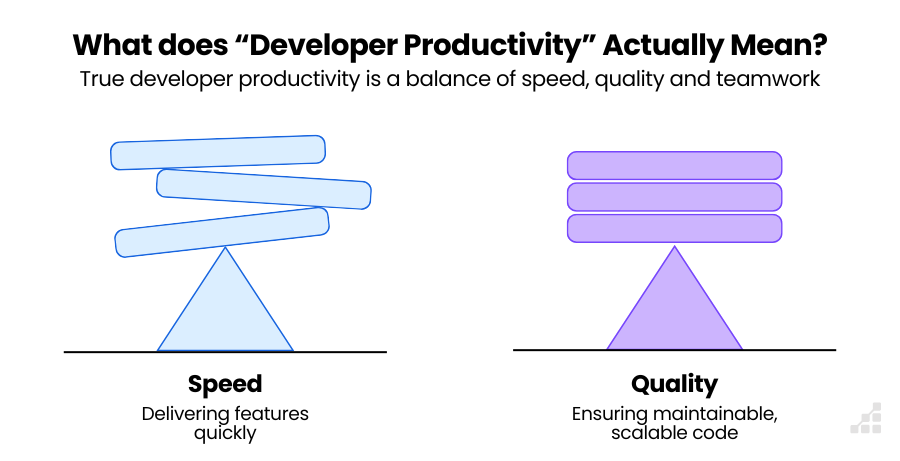
High-quality code is easier to maintain, scale, and troubleshoot, saving time and resources in the long run. In addition to individual productivity, effective collaboration between team members also plays a crucial role. Even the most skilled developers can’t perform at their best without clear communication, efficient processes and aligned goals.
So how do you foster this balance of speed, quality, and collaboration? Let’s dive into strategies to improve developer productivity while ensuring sustainable, high-quality output.
Quality Over Quantity
Measuring productivity solely by output, like lines of code or features delivered, misses the mark. Code quality matters just as much as speed. Poor-quality code adds to technical debt, increasing long-term costs and causing frequent bugs and system failures. True productivity strikes a balance between speed and high-quality output.
Collaboration and Communication
Even top developers won’t be productive if communication breaks down. Poor communication, unclear requirements, or delayed feedback can slow progress. Ensuring your team has the right tools and processes for effective collaboration is essential for keeping productivity high.
How to Improve Developer (and Team) Productivity
Improving productivity requires more than pushing for faster results. It’s about fostering an environment that allows your team to work efficiently and with purpose.
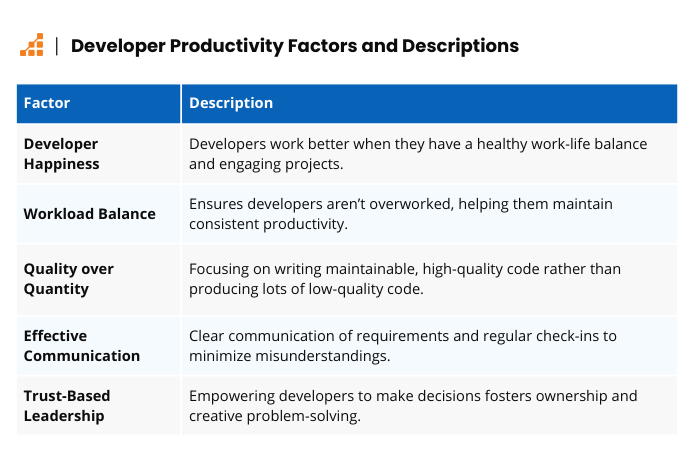
1. Developer Happiness
Satisfied developers work faster and produce higher-quality results. Developer happiness stems from a healthy work-life balance, meaningful projects, and a positive work culture.
Focusing on developer happiness isn’t difficult, either. At Scalable Path, for instance, one of our core values is “sustainability.” For us, that means treating yourself, others and our planet with care. We want the people we work with to be healthy and happy – and that means not burning ourselves out.
Here are some of the key methods to nurturing a culture of health and happiness at Scalable Path.
Workload (and Work Hours) Should Be Sustainable and Balanced
Flexible work hours and remote work options help developers manage their personal and professional lives. But you don’t actually need to be remote to practice sustainability.
Overworking developers might produce short-term gains, but it often leads to burnout, decreased productivity, and higher turnover in the long run. A balanced workload ensures that developers can consistently perform at their best, without the risk of exhaustion or disengagement.
At Scalable Path, we try to ensure that the demands placed on developers are realistic and maintainable over time. Encouraging breaks, promoting work-life balance, and adjusting expectations based on team capacity will help foster a healthier, more productive work culture.
Cultures of Trust and Respect > Command and Control
There’s an interesting anecdote we can use here to illustrate two very different styles of leadership: trust and respect vs command and control.
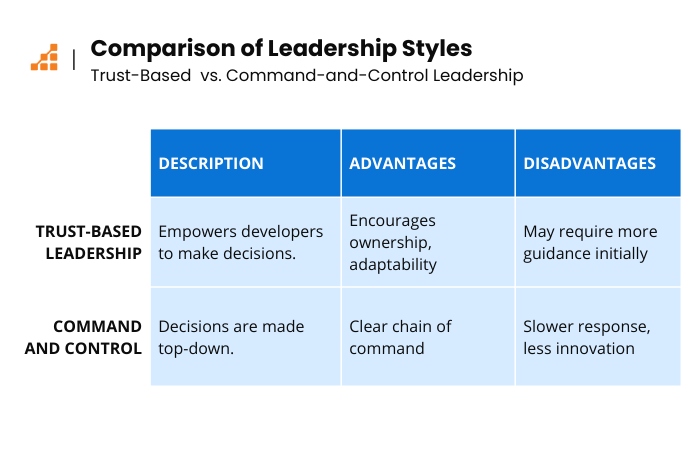
During World War II, U.S. military leaders initially relied heavily on strict command-and-control structures to direct troops on the battlefield. Orders were issued from the top down, and soldiers were expected to follow them without question. However, as battles became more dynamic and complex, this rigid style began to show its weaknesses.
After World War II, the U.S. Army adopted the concept of “mission command,” which empowered lower-level officers and soldiers to make decisions on the ground. They were given clear objectives but trusted to determine the best way to achieve them. This approach enabled faster, more adaptive responses to battlefield conditions. Trusting soldiers to make decisions on the ground led to improved performance, making a trust-based leadership style far more effective in complex, chaotic environments.
Just as the military found that a trust-based leadership style improved adaptability and success in unpredictable situations, technology companies face similarly fast-moving, complex environments. In tech, rigid, top-down management can slow innovation and prevent teams from responding quickly to challenges. By fostering a culture of trust and respect, leaders can empower developers to take ownership of their work, make decisions in real-time, and solve problems creatively.
Give Constructive Feedback in Private and Praise in Public
There’s a quote that “no one goes to work to do a bad job.” Mistakes and less-than-optimal decisions are inevitable, but how leaders handle them makes all the difference.
Offering constructive feedback in private allows for honest discussions without embarrassment, while publicly recognizing achievements boosts morale. This approach empowers your team, encouraging them to take ownership of their work.
Further, a work environment where experimentation is encouraged—without fear of failure—drives innovation and long-term productivity. Leaders who guide and support rather than dictate create a more dynamic, resilient team, capable of handling challenges and thriving.
Build Connection and Team Morale
Remote teams can struggle with isolation. Building team morale isn’t just about collaboration on work-related tasks—it’s about creating an environment where team members feel supported and valued on a personal level.
One way to build morale is by creating opportunities for casual interactions, even in a virtual setting. Use platforms like Slack to facilitate informal conversations and encourage light-hearted exchanges. Virtual activities, such as team games, themed days, or casual meetups, can help break the routine and build stronger bonds among team members. Even just taking a few minutes to have “water cooler conversations” at the beginning of meetings can make a big difference.
These moments of connection build trust and camaraderie, which are essential for a motivated, engaged, and collaborative team.
2. Let Developers Focus on What They Love
Developers are most productive when they can focus on the core tasks that matter most to them: problem-solving, coding, and debugging. These activities make up the “inner loop”—the essential, hands-on work that developers enjoy and that drives the most value for the team. In contrast, the “outer loop” consists of tasks that can disrupt this flow, like unnecessary meetings, slow feedback cycles, deployments, or cumbersome administrative tasks.
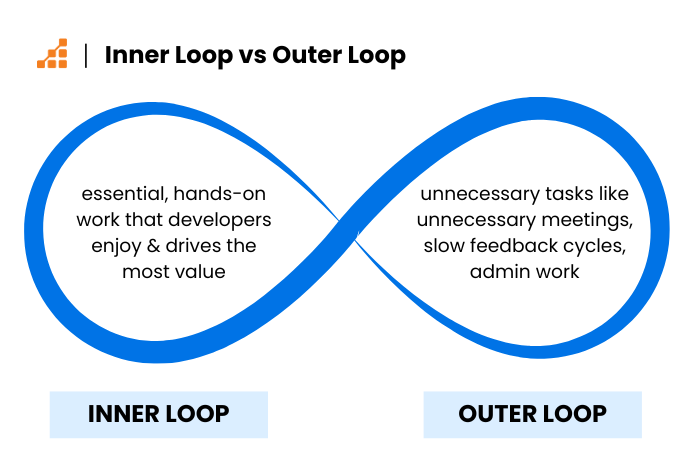
Research shows that developers who spend excessive time on outer loop activities are less happy and less productive. A Zenhub survey revealed that developers are frustrated when their work is interrupted by non-development tasks, with 45% of developers reporting unproductivity as their top dissatisfaction factor. Studies also suggest that reducing unnecessary meetings can improve employee engagement and overall performance.
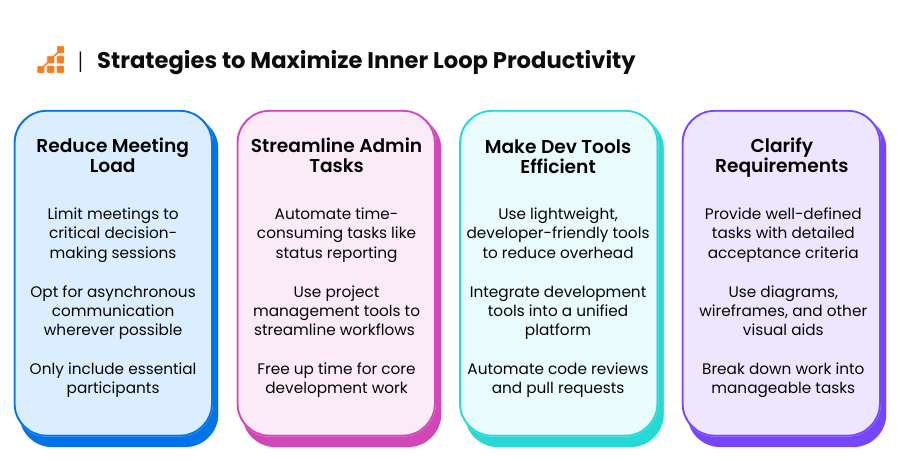
Strategies to Maximize Inner Loop Productivity
- Reduce Meetings: Unnecessary meetings are a major time sink. Limit them to critical decision-making sessions and opt for asynchronous communication whenever possible to protect focus time. Only include essential participants to streamline discussions.
- Streamline Administrative Tasks: Time-consuming activities like status reporting or documentation can pull developers out of their inner loop. Automate these tasks with project management tools to free up time for core development work.
- Make Dev Tools Efficient: Clunky project management software, delayed code reviews and pull requests, slow test suites and long deployments can suck the wind out of a developer’s sails.
- Clarify Requirements: Developers perform best when they have clear direction. Providing well-defined tasks with detailed acceptance criteria minimizes ambiguity and reduces time spent seeking clarification, allowing developers to remain productive.
3. Effective Communication
Good communication goes beyond simply having tools like Slack, daily standups, or annual performance reviews. While these are important, real effective communication involves ensuring everyone fully understands both the project’s broader goals and their specific role in achieving them.
At Scalable Path, effective communication means:
- Daily scrums that are focused (and quick)
- Well-defined, clear tasks
- Fostering an environment where it’s safe to ask questions, give feedback, and recommend ideas
Let’s explore these in a bit more detail.
Strategies for Enhancing Communication
1. Daily Scrums: Keep scrums brief and focused to maintain alignment without wasting time.
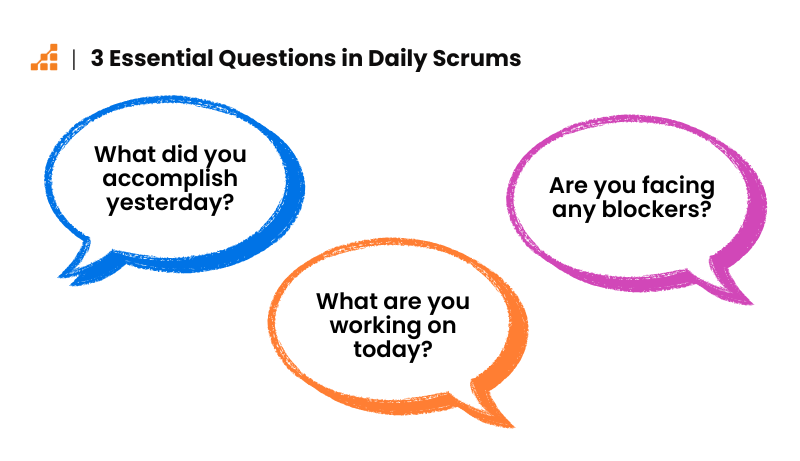
Time-box the meeting and stick to three essential questions:
- What did you accomplish yesterday?
- What are you working on today?
- Are there any blockers?
This ensures that discussions are targeted and everyone understands their role.
2. Well-Defined Tasks: Clear communication starts with well-defined tasks. Break work into manageable pieces with clear requirements and objectives to avoid confusion or rework. This helps developers stay focused and ensures everyone is on the same page about what needs to be done.
3. Foster Openness: Effective communication is more than just meetings. Create an environment where developers feel safe sharing ideas, asking questions, and providing feedback. Regular retrospectives offer a structured way to reflect on team processes and make improvements together.
4. Adopt Proven Practices
Proven development practices can improve productivity by enhancing collaboration, code quality, and overall efficiency.
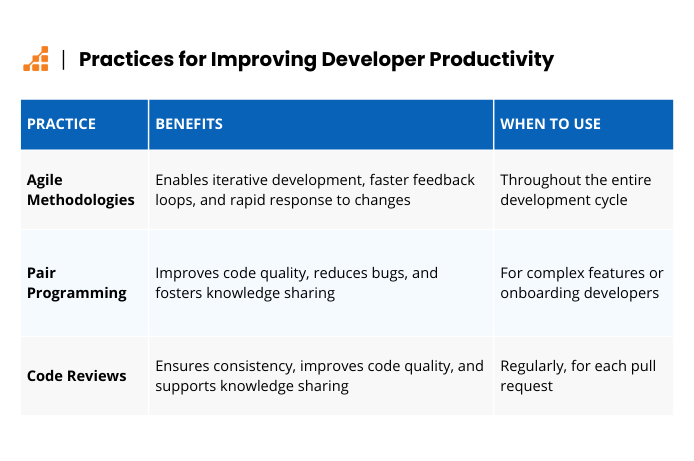
Proven Practices to Improve Productivity:
Agile Methodologies: Agile frameworks like Scrum and Kanban enable iterative development and rapid response to changes. By delivering smaller increments of work more frequently, teams can reduce risk and adapt quickly.
Pair Programming: Working in pairs can improve code quality, reduce bugs, and foster knowledge sharing, especially when tackling complex problems or onboarding new team members.
Code Reviews: Regular code reviews ensure consistency and catch issues early. They’re also a great opportunity for learning and knowledge sharing across the team.
5. Leverage the Right Tools
The tools your team uses can have a major impact on productivity. The right tools streamline workflows, reduce manual work, and provide valuable insights.
Essential Tools for Enhancing Productivity
Project Management Software: Tools like Jira and Trello help track tasks and progress, ensuring transparency across the team. These tools also support collaboration by centralizing communication and resources.
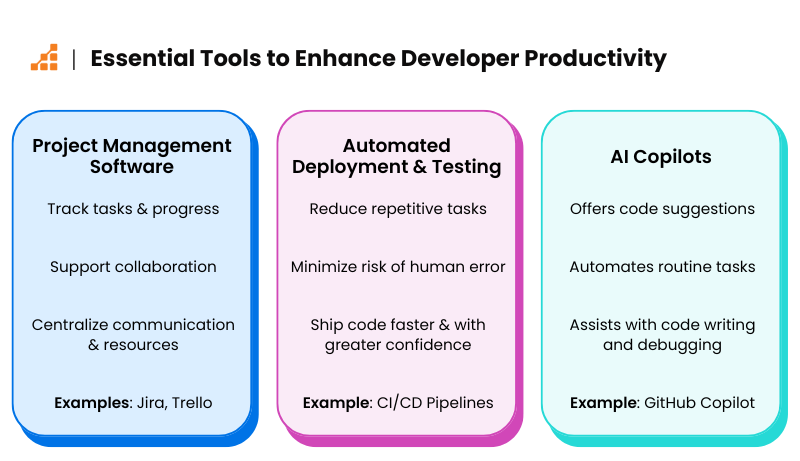
Automated Deployment and Testing: CI/CD pipelines and automated testing reduce repetitive tasks and minimize the risk of human error, allowing teams to ship code faster with greater confidence.
AI Copilots: Tools like GitHub Copilot assist with code writing and debugging, boosting efficiency. These tools enhance productivity by suggesting code snippets and automating routine tasks, though human judgment is still critical for ensuring code quality.
How to Measure Developer (and Team) Productivity
Measuring developer productivity is a complex challenge, especially in distributed teams. While tools for tracking work have become more advanced, with remote work surveillance becoming increasingly common, it’s important to strike a balance between monitoring activity and fostering trust. Relying solely on metrics like keystrokes or screen activity can erode trust and provide an incomplete picture of a developer’s true productivity.
Instead, measuring productivity effectively requires a blend of qualitative insights and meaningful quantitative data. This holistic approach helps you gain a complete view of how your team is performing and where improvements can be made.
1. Qualitative Assessments
Qualitative assessments focus on understanding team dynamics and individual contributions through regular interactions, team retrospectives, and 1:1 meetings.
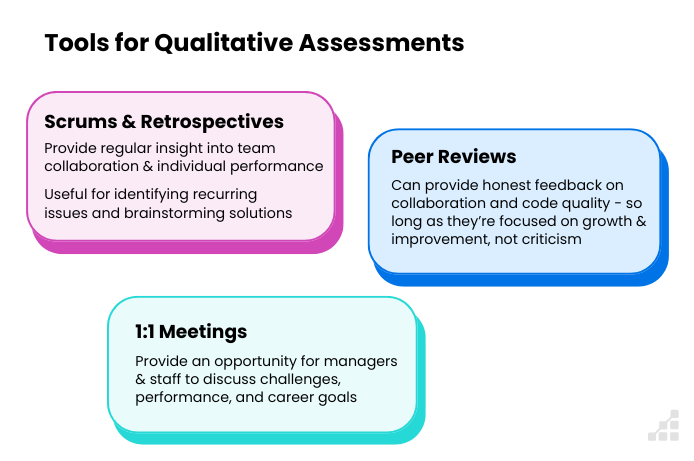
Tools for Qualitative Assessments:
- Scrums and Retrospectives: These regular meetings provide insights into team collaboration and individual performance. Retrospectives are particularly useful for identifying recurring issues and brainstorming solutions.
- Peer Reviews: Anonymous peer reviews can provide honest feedback on collaboration and code quality. Ensure that peer reviews focus on growth and improvement, not criticism.
- 1:1 Meetings: Regular one-on-one meetings between managers and developers provide an opportunity to discuss challenges, performance, and career goals.
2. Quantitative Measurement
Quantitative data provides objective metrics that help track productivity over time and identify areas for improvement.
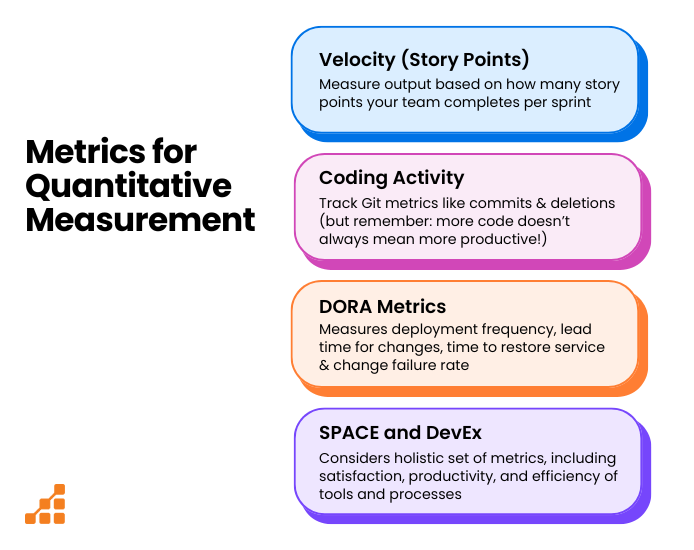
Metrics for Quantitative Measurement:
- Velocity (Story Points): Track how many story points your team completes per sprint to measure output. This metric helps set realistic expectations for future work but should not be the sole focus.
- Coding Activity: Track Git metrics such as commits and deletions, but avoid using this as the only measure of productivity. More code doesn’t always mean better productivity—focus on quality too.
- DORA Metrics: Measure deployment frequency, lead time for changes, time to restore service, and change failure rate to get a full picture of your team’s software delivery performance.
- SPACE and DevEx: These frameworks take a holistic view of productivity by considering developer satisfaction, performance, and the efficiency of tools and processes.
Conclusion: Get Good People and Keep Them Happy
Building and maintaining a productive development team starts with hiring the right people and keeping them happy. Developer happiness, effective communication, and the right tools are the foundation of long-term productivity. By measuring productivity through a combination of qualitative insights and quantitative data, you can continuously refine your processes, resulting in higher-quality software and faster delivery times.